Take a deep breath because today, we’re tackling the massively important, but often overlooked, ID verification topic of vendor risk management. You know the name of the vendor you’ve trusted to manage your customers’ sensitive information, but do you know how they store and protect it?
In 2025 alone, four different major vendors reported phishing attacks, identity theft, and compromised personal data of millions of people. These recent breaches are sending a clear message to every major industry, from gaming, and financial institutions to healthcare, insurance, and age-restricted platforms: Your vendor’s security is your security.
Your best next step in this whole ordeal is to re-assess the strength of your current vendor; in essence, strengthen your KYC protocol by initiating some KYV – Know Your Vendor – actions. Unfamiliar with KYV and vendor risk management? EVS can walk you through its key factors: understanding your brand’s role in any data breach, examining how vendors might be putting you at risk, and learning how to identify a safe ID verification provider.
Who’s Responsible for KYC Breaches?
Some businesses mistakenly believe that hiring an identity verification “expert” offloads personal risk and transfers responsibility to their ID verification vendor, but that couldn’t be less true. A KYC data leak is a shared problem between a company and its security partner. Breaches at the ID verification level directly destroy the trust and compliance standing of the companies hiring them.
Vendors that leave customer information exposed put themselves, as well as their hiring companies, on the hook for severe regulatory fines, lawsuits, and permanent reputational damage. Hiring companies are also legally responsible for their own users’ data, even if it was breached because of a vendor or third-party failure.
Some ID verification vendors will even try to throw their own hiring companies under the regulatory bus if a data leak happens. They might claim that you improperly integrated their security measures or ignored your due diligence. Others will even claim you didn’t adequately vet their own processes, thereby absolving the vendor entirely.
Don’t Gamble With Your KYC Data – It’s the Absolute Worst to Lose
A KYC data breach can be embarrassing at best and catastrophic at worst. Know Your Customer data is extremely sensitive and can include everything from selfies and biometrics to home addresses and passports. Unlike credit card numbers or passwords, you cannot change your date of birth, home address, or national ID number, which means that leaks or breaches can set a terrible spiral of events in motion: permanent identity theft, synthetic identity fraud, and advanced phishing, just to name a few.
Is Your KYC Vendor Setting You Up to Fail?
Even if your ID verification provider is a stand-up partner that owns its mistakes, not all vendors are created equal. Some conflate compliance with security, when in reality, they are the twin pillars of KYC best practices. Together, compliance and security measures protect your organization from financial penalties and reputational damage. However, some ID verification vendors would rather avoid legal fees than give you robust, real-time fraud prevention.
Did you know?
- Some vendors outsource aspects of data protection to sub-processors with weaker security, creating a hidden layer of vulnerability in the supply chain.
- Others carelessly leave databases unsecured by a password and wide open to anyone who stumbles upon their URLs, like we saw in the 2025 IDMerit breach.
- Their KYC solutions may focus heavily on document validation, but neglect to verify that the person behind the document is legitimate.
Does this short list hammer home the importance of vendor risk management?
Of course, some ID verification providers are prepared and still suffer losses, but a no-password database isn’t a sophisticated attack — it’s a basic failure, and one you deserve to be aware of. Now is the time to ask your vendor to show their work, not just their badge, and make sure your customers’ information is protected in every way possible.
What To Look for in an ID Verification Vendor
The goal here is not to throw any ID verification provider under the bus. Instead, we want to highlight ways your business – no matter which industry you call your playground – can mitigate a KYC data breach, and that begins with vendor risk management. Regardless of how long you’ve employed your vendor, it’s critical to set up an audit meeting and ask for specific answers to these questions:
- How do you ensure that your database is secure and monitored at all times for unusual behavior or unauthorized access attempts?
- How many layers of authentication does your system require, and do you oversee it yourself?
- How much customer data do you retain, and are there ways to reduce it?
- Is your encryption so thorough that stored data is rendered unusable to hackers, even if your system is breached?
EVS: Your All-In-One Verification Vendor
Spend five minutes on our website and you’ll quickly see just how robust our verification solutions truly are. From financial fraud prevention and sanctions screenings to healthcare identity verification and compliance, our BlueAssure suite truly covers every corner of your company’s fraud prevention needs.
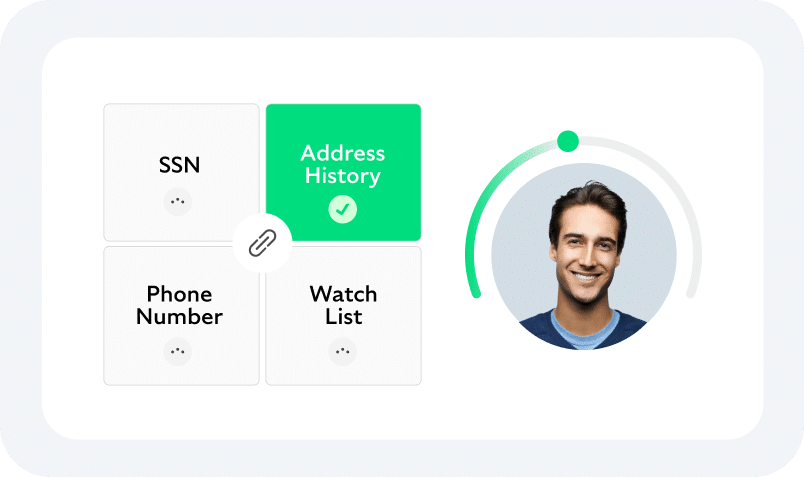
Our identity verification best practices include AssureID, EVS’s leading solution for identity and age verification in the US. Using information submitted through the API or within the BlueAssure platform, AssureID cross-references multiple data sources in a single transaction to verify identity, flag high-risk individuals, and screen against watch lists, all without adding friction to your onboarding flow. Your customers get a seamless experience while AssureID works in the background, checking SSN, address history, phone, age, and more in seconds.
Ready to use the vendor auditing steps we discussed above? Schedule a demo call with our EVS team for an inside look at how AssureID and our other BlueAssure solutions can keep your company free and clear of data breach scandals.